Supreme Court Lets Border Wall Work Resume in Texas' Big Bend
The order lifts a lower-court pause while lawsuits continue. Justice Ketanji Brown Jackson would have kept the block in place.
 Politics
The Supreme Court on Monday, Nov. 9, cleared the Trump administration to restart border wall construction in the Big Bend region of West Texas.
The unsigned order pauses a lower-court ruling that had halted the work while lawsuits play out. Justice Ketanji Brown Jackson noted she would have denied the government's request, but she did not explain why, SCOTUSblog reported.
The order does not end the case. It only lets construction move forward for now.
What's at stake
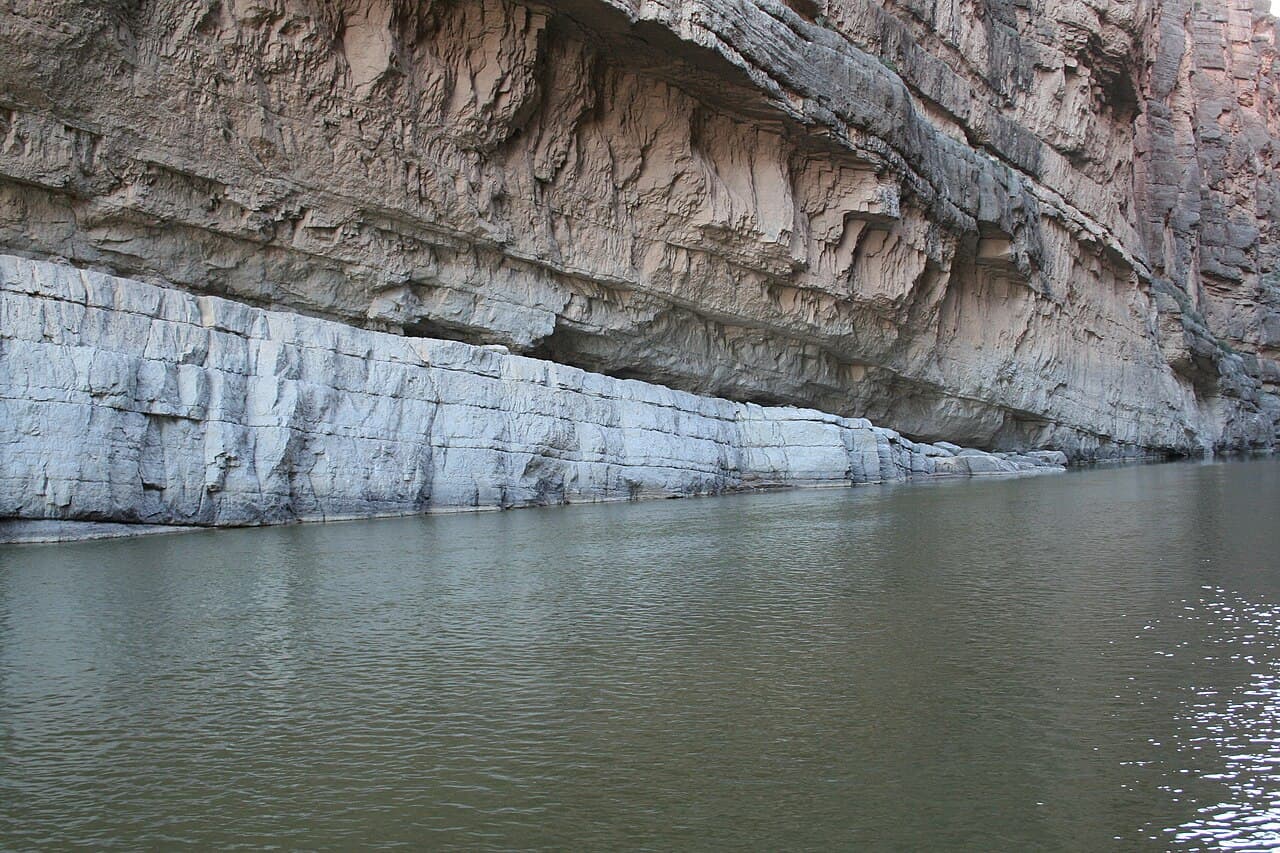
The Big Bend sector covers roughly 500 miles of the border, including Big Bend National Park.
The Associated Press reported that Congress approved $46 billion for the wall last summer, and Customs and Border Protection has been putting up about 12 miles of barriers a week with the goal of covering the full 2,000-mile border. Some sections stand 30 feet tall.
The government says no steel wall is planned inside the national park itself. Early plans there called for a new road and some vehicle barriers. Bulldozers seen in the park in August drew a public outcry, and work inside the park was paused. A final plan for the park hasn't been released.
Who sued
The Center for Biological Diversity, a local church group and a Big Bend river guide brought one suit. Landowners filed another. A Texas federal judge had found that Congress likely never clearly gave the government power to waive so many environmental laws, and ordered work to stop.
Opposition crosses party lines. Landowners, business owners and environmental groups argue the wall would hurt the local economy in an area with historically low illegal crossings. Outgoing Republican Sen. John Cornyn has argued in print for a mix of technology and staffing instead.
"Everything is on the line again," Big Bend resident and plaintiff David Keller told the AP.
What's next: The legal challenges continue in the lower courts while construction resumes.
Sources: Associated Press via OPB · SCOTUSblog · Our standards
Get the morning briefing
The news, with receipts. Free, every morning.